
Why you should care
A tidal wave of advancement just hit the world of AI media. If you work in content creation, design, or R&D, catching these breakthroughs now puts you ahead.
Helios: Real-Time Long-Video Model
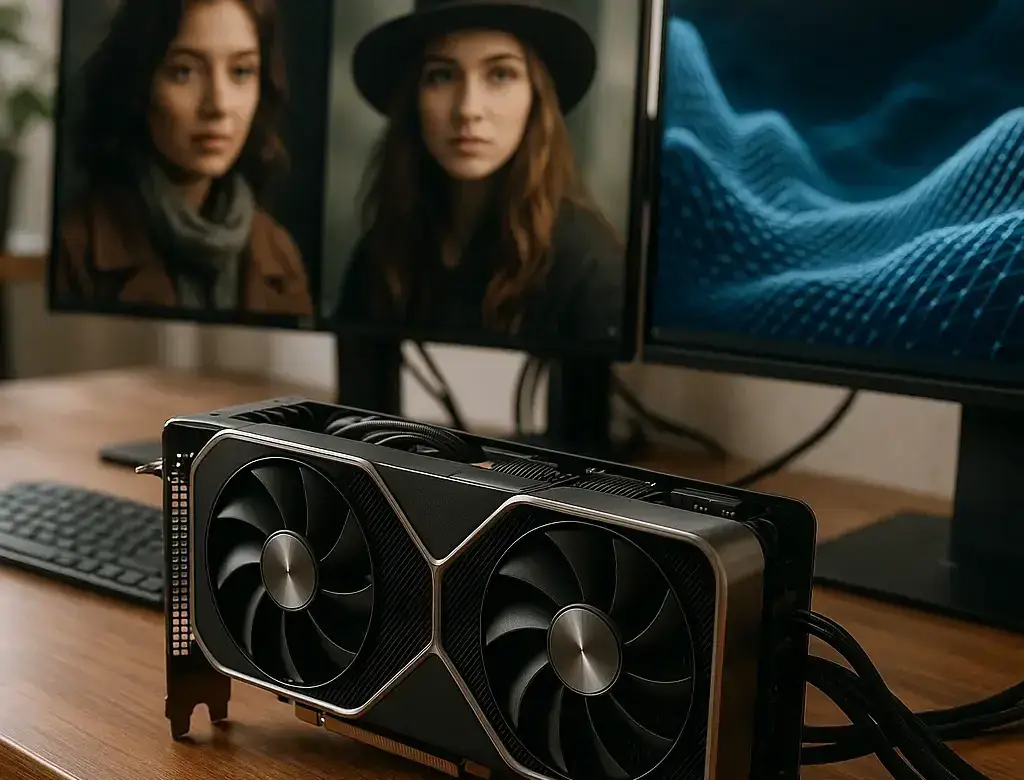
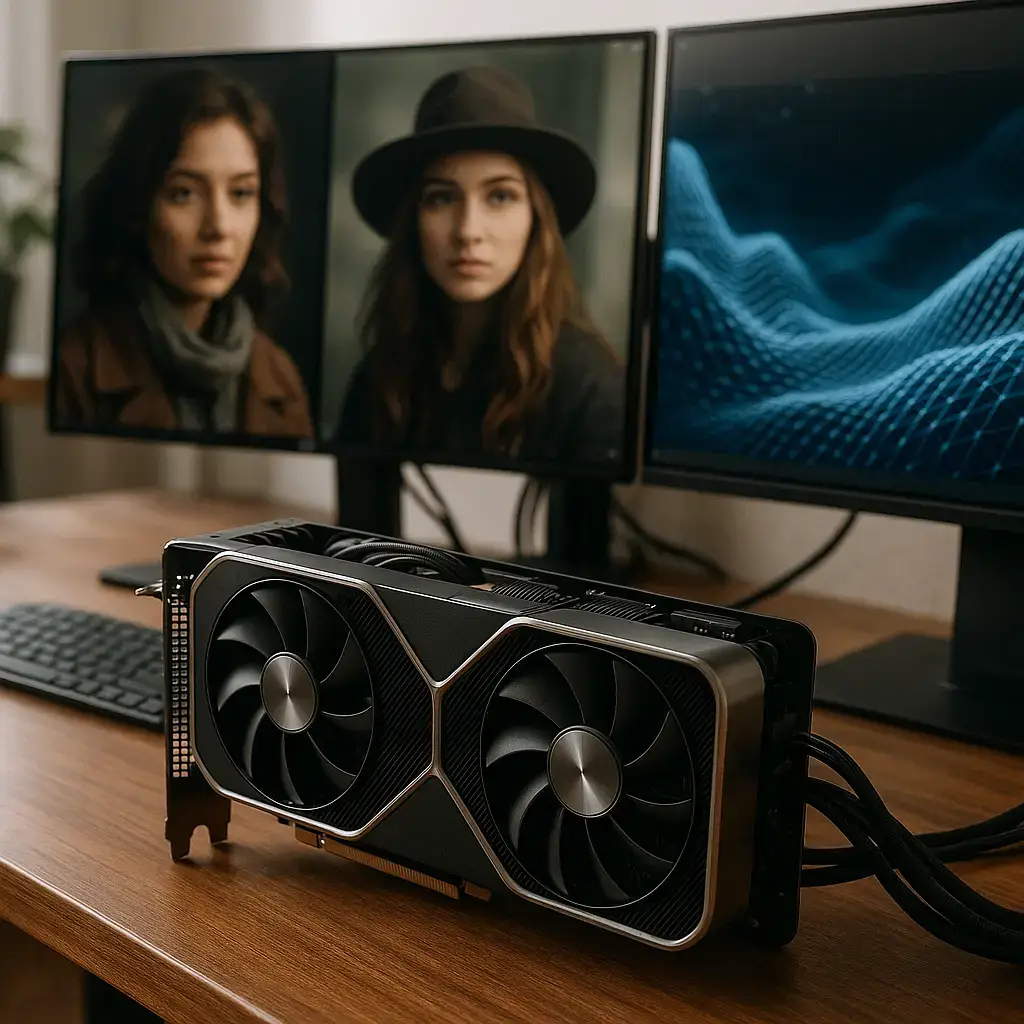
A new autoregressive diffusion model called Helios made headlines on March 4, 2026. It supports minute-long video generation at nearly 20 FPS on a single NVIDIA H100 GPU—without resorting to heavy acceleration tricks. That opens real-time, high-fidelity, long-duration creation to developers and creators.
It cleverly combats long-video drift via targeted training strategies, compresses context to reduce compute, and outperforms 1.3 B parameter baselines both in speed and quality.
Why it matters
- Minute-scale generation at real-time speed
- Better temporal coherence over long clips
- Highly efficient; fits multiple models in 80 GB GPU memory
DeepSeek V4: Unified Multimodal on the Horizon
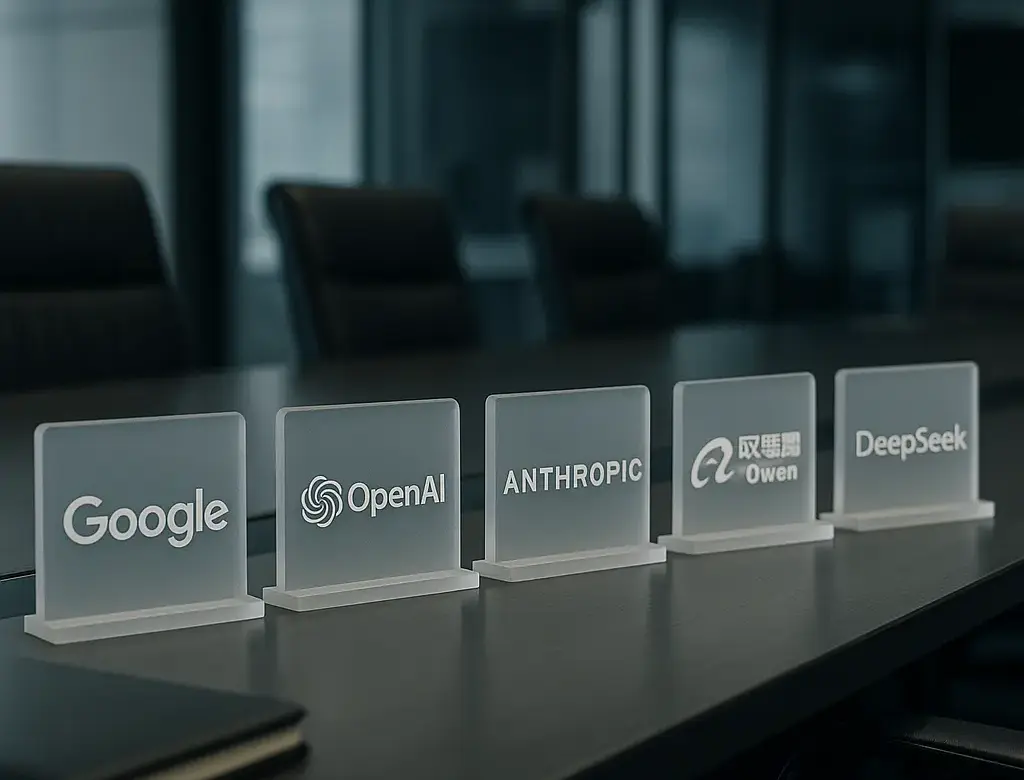
Rumor today points to the imminent release (expected first week of March 2026) of DeepSeek V4. It’s not just about coding or text anymore—it’s a single model aimed at generating text, images, and video in an integrated framework.
This could become the most advanced open-weight multimodal foundation model—an open-source counter to closed giants like OpenAI’s GPT‑4o or Google’s Gemini series.
Highlights
- Unified generation across media types
- Open‑weight potential
- Launch aligned with major political session timing
Google’s Nano Banana 2: Smarter, Faster Visual Generation
Google quietly launched Nano Banana 2 (aka Gemini 3.1 Flash Image) just last week. It merges tools from two previous image systems into a single powerhouse. It taps into Gemini’s real-world world model plus live search results to deliver smarter, faster, more accurate image synthesis.
Key gains
- Faster rendering with real‑time knowledge integration
- Sharper quality and reasoning in image output
- Unified toolset for various visual needs
Context: Where these advances fit
This wave comes amid several trends:
- Long-form, high‑fps video on consumer‑grade hardware (Helios).
- Multimodal models that break barriers between text, image, and video (DeepSeek V4).
- Image generation that leverages real‑time knowledge, not just prompt‑based synthesis (Nano Banana 2).
What all this means for you
These developments reshape expectations. You can soon build workflows that:
- Generate minutes of video in real time without massive infrastructure
- Use one model for text, image, and video—simplifying pipelines
- Tap live information to boost output relevance
Update your tech radar now. If you build tools, pick models that will integrate real-time reasoning. If you lead teams, plan budgets for newer models that cut infrastructure costs.
Bottom line
Helios, DeepSeek V4, and Nano Banana 2 aren’t incremental steps—they’re leaps. Expect faster, smarter, unified generative media systems to hit your workflow soon.
Ready to unlock those capabilities with seamless integration of multimodal AI, image generation, and advanced data-backed RAG? Try Projectchat.ai and build specific workspaces powered by all providers and your own data. Start your free trial at https://projectchat.ai/trial/